

18.07.2024 01:21 Country: Democratic Republic of the Congo Source: Human Rights Watch Les autorités devraient annuler la suspension de Jessy Kabasele et garantir que les journalistes travaillent librement et en toute sécurité Coordinateur La semaine dernière, le Conseil supérieur de l'audiovisuel et de la communication pour une durée indéterminée, suite à son interview avec l'un des chanteurs les plus célèbres du pays, Koffi Olomidé, dans le cadre de l'émission Le Panier, The Morning Show. Au cours de cette interview, par la Radio-Télévision nationale congolaise , Koffi Olomidé a critiqué la réponse de l'armée à l'assaut des rebelles du M23, la jugeant trop faible. Les autorités combattent le groupe rebelle M23, , depuis la reprise des hostilités dans la province du Nord-Kivu en 2022. Le CSAC a accusé Jessy Kabasele de ne pas avoir recadré les propos de Koffi Olomidé, dont il estime qu'ils « sape les énormes efforts et sacrifices consentis par le Gouvernement de la République ». L'autorité de régulation des médias Jessy Kabasele et Koffi Olomidé la semaine dernière tandis que les avocats de ce dernier un procureur le 15 juillet. L'autorité de régulation des médias du Congo a récemment entravé la couverture médiatique du conflit. En février, le CSAC a publié une demandant aux médias de ne pas diffuser des débats à propos des opérations de l'armée congolaise sans la présence d'au moins un « expert en la matière ». Il a également demandé aux journalistes d'éviter « les émissions à téléphone ouvert sur les opérations militaires » et de s’abstenir d'interviewer les « forces négatives », un terme vague et imprécis qui laisse la porte ouverte à des interdictions arbitraires. En avril, le CSAC a aux médias de ne plus « diffuser les informations en rapport avec la rébellion dans l'Est de la RDC sans se référer aux sources officielles ». Si le droit international des droits humains autorise les gouvernements à à certaines de leurs obligations en matière de respect de en période d'état d'urgence, des régissent ce que les gouvernements peuvent faire et comment ils peuvent le faire. Ces normes, qui prévoient que les restrictions doivent avoir une base juridique claire, être nécessaires et proportionnées, garantissent que l'essence de la liberté d'expression, y compris la liberté de rechercher, de recevoir et de transmettre des opinions et des informations, soit sauvegardée. Les restrictions du CSAC à la liberté d'expression et à la liberté de la presse ne sont pas conforment à ces normes. Les cas de Koffi Olomidé et de Jessy Kabassele font écho à ceux d'autres et pris pour cible par les autorités. Le travail des journalistes congolais opérant dans les provinces de l'Est est et il convient de saluer leur dévouement et engagement. Au lieu de punir les journalistes et les citoyens pour avoir exprimé leur opinion sur une crise qui dévaste le pays, les autorités devraient protéger les droits des journalistes à travailler librement et en toute sécurité.
18.07.2024 01:21 Country: Democratic Republic of the Congo Source: Human Rights Watch Cancel Jessy Kabasele’s Suspension, Ensure Journalists Can Work Safely, Freely Coordinator Last week, the government’s Communication and Broadcasting Board for an indefinite period, following his interview with one of the country’s most famous singers, Koffi Olomide, on Le Panier The Morning Show. During the interview, by the state-run broadcasting company, Olomide criticized the army’s response to M23 rebels’ assault as too weak. Congolese authorities have been fighting the rebel group since hostilities renewed in 2022 in the North Kivu province. The CSAC accused Kabasele of failing to reframe Olomide’s speech which, it argued, “undermines the enormous efforts and sacrifices made by the government.” The media regulator both Kabasele and Olomide last week, while Olomide’s lawyers are said to have with a prosecutor on July 15. Congo’s media regulator has been stifling reporting on the conflict. In February, the CSAC issued a requesting the media not to broadcast debates on Congolese army operations without the presence of at least one “expert on the matter.” It also requested journalists avoid radio phone-ins discussing the topic and interviewing “negative forces,” a vague and unclear term that leaves the door open to arbitrary prohibitions. In April, the CSAC that media outlets should no longer “broadcast information relating to the rebellion in eastern DRC without referring to official sources.” While international human rights law allows governments during states of emergency from some obligations to respect , there are on what governments can do and how. Those standards, which include restrictions having a clear legal basis, being necessary, and proportionate, ensure that the essence of freedom of expression, including freedom to seek, receive, and impart ideas and information, is safeguarded. CSAC’s inference with freedom of expression and freedom of the press fails to meet the criteria. The cases of Olomide and Kabassele are reminiscent of other and who have been targeted by the authorities. The work of Congolese journalists operating in eastern provinces and their dedication and commitment should be commended. Instead of punishing journalists and private citizens for expressing views on a crisis that is devastating the country, the authorities should protect journalists’ rights to operate safely and freely.
18.07.2024 01:21 Country: Democratic Republic of the Congo Source: REACH Initiative Please refer to the attached file. CONTEXTE L’Est de la République Démocratique du Congo est caractérisé par une situation humanitaire complexe du fait de la présence de nombreux groupes armés, de tensions intercommunautaires, d’épidémies, de catastrophes naturelles et d’une pauvreté chronique. L’accès physique est souvent limité par la situation sécuritaire, le mauvais état des infrastructures et des conditions géographiques difficiles. Afin de pallier le manque d’information dans ces zones, REACH a mis en place un suivi de la situation humanitaire au Nord-Kivu, au SudKivu, au Tanganyika et en Ituri. Il a pour objectif de collecter des informations, d’analyser et de partager régulièrement des informations actualisées concernant les besoins humanitaires multisectoriels dans l’ensemble de ces provinces, y compris dans les zones difficilement accessibles. L’ensemble des fiches d’information liées à ce projet, toutes disponibles sur le centre de ressources, donne un aperçu de la sévérité relative des besoins multisectoriels entre les zones de santé les plus affectées de ces provinces et de l’évolution dans le temps de ces besoins.
18.07.2024 01:21 Country: Democratic Republic of the Congo Sources: Government of the Democratic Republic of the Congo, Health Cluster, World Health Organization Please refer to the attached Infographic. Activités de Riposte et de Prévention dans les ZS en épidémie ou à risque MSPHP – Niveau national : • Rapport d’évaluation des épidémies de rougeole partagé le 12 juillet 2024, en complément des annexes du dossier de demande de soutien de Gavi pour l’introduction du RR. – Nord Ubangi : renforcement de la recherche active et actualisation des listes linéaires – Sud Kivu : • Sensibilisation sur la PEC gratuite des cas dans les FOSA et la vaccination de routine • Préparatifs d’une mission d’investigation dans la ZS de Kibali avec l’appui de l’OMS • Riposte vaccinale à Kalole avec MSF Espagne • PEC médicale et nutritionnelle à Kimbi Lulenge avec MSF Hollande – Haut Lomami • Renforcement du PEV de routine • Renforcement de la surveillance basée sur les cas • Renforcement de la communication sur les risques – Ituri • Approvisionnement partiel des Kits de prélèvement • Partage des listes linéaires par les ZS de Laybo, Aru, Biringi, Nyarambe – Tanganyika • Prélèvements et acheminement des échantillons par la ZS de Kongolo
17.07.2024 00:01 Countries: Burkina Faso, Cameroon, Central African Republic, Chad, Democratic Republic of the Congo, Mali, Niger, Nigeria Source: UN Office for the Coordination of Humanitarian Affairs Please refer to the attached Infographic.
17.07.2024 00:01 Country: Democratic Republic of the Congo Source: CARE International Nairobi, Kenya, July 15, 2024 – Persistent fighting in the Democratic Republic of Congo is fueling a devastating and underreported humanitarian crisis. Women and girls are enduring the worst of the suffering as reports of sexual and physical violence against them have alarmingly increased. With over 7.3 million people displaced and 25.4 million people in need of humanitarian assistance, more than half of whom are women and girls, every day is a struggle to survive. “We face unimaginable horrors daily, enduring relentless violence, exploitation, and suffering that tear at the very fabric of our existence,” said Nelly Kongo, founder of Congolese Families for Joy and CARE’s partner. “Women who are raped cannot speak of their ordeal to anyone for fear of being stigmatized or ridiculed. Others are forced into marriages to combatants or coerced into prostitution to survive. Young girls are also being driven into sex work to support their families. Due to a lack of proper shelter, many families are sleeping outside, exposing children to the risk of kidnapping, while women face sexually transmitted diseases and infections due to rampant sexual violence. The situation is dire and will continue to deteriorate unless urgent action is taken.” In and around displacement camps in Lushagala and Kanyarucinya where CARE DRC and its partners operate, there has been an alarming rise in reports of sexual and physical violence against women. Women have reported attacks by combatants, as well as their intimate partners. On average, 20 cases are reported daily, with over 90% of victims being women and girls. However, we know this is the tip of the iceberg. Many girls can’t go to school and are forced to work in brothels, which have increased in number in and around the camps, to earn as little as $1 a day to support their families. Reports of survival sex and rape of children have risen in these areas. Additionally, some parents in Lushagala and Kanyarucinya have pushed their young daughters to get married, increasing rates of early and unwanted pregnancies. Lack of access to clean water and overflowing toilets put women and girls at increased risk of disease and sexual violence as they travel longer distances in search of water. DRC has one of the worst food crises in the world. Malnutrition threatens over 2.8 million children and 605,000 pregnant or breastfeeding women due to insufficient food. As a result, women are often left with no other choice than reverting to harmful coping mechanisms to feed their families, including eating less and less often. “The reality for women and girls in the DRC is a living nightmare,” said Sidibe Kadidia CARE DRC Country Director. “There’s an urgent need for increased gender-responsive humanitarian aid that prioritizes the protection, health, and economic empowerment of women and girls. Yet, a massive funding gap threatens DRC’s humanitarian response as only 26% of the critical 2024 plan is currently funded. We welcome the announcement of a humanitarian truce and call on all parties to work to make it a sustained ceasefire.” “We also urge the international community to prioritize the specific needs of women and girls, especially to respond to Gender Violence and Sexual Violence survivors’ needs. This must include promoting women and girls’ full, equal, meaningful, and safe participation and leadership in decision-making processes, holding perpetrators of violence accountable, and increasing quality and direct funding for local women-led organizations that are the pillars of the response, working in extremely difficult circumstances, often risking their own lives.” Unimpeded access is crucial to ending the suffering of women and girls in the DRC. CARE demands safe passage for humanitarian aid to deliver critical support, empower communities, and equip them with essential skills for food security. Investing in women protects them from exploitation and violence. Additionally, safe spaces for survivors to heal and access psychosocial support are crucial. A brighter future for the DRC is within reach but requires a multi-pronged approach and collective action. For media inquiries, please contact: David Mutua, CARE East Central, & Southern Africa Regional Communications Advisor, david.mutua@care.org
17.07.2024 00:01 Countries: Cameroon, Democratic Republic of the Congo, Liberia, Niger Source: UN Office for the Coordination of Humanitarian Affairs Please refer to the attached Infographic. Cameroon Increase in cases of malnutrition among children below the age of 5 in the Logone et Chari division Since January 2024, cases of severe malnutrition among children aged 0 to 5 have increased significantly in the Logone et Chari division, Far North region. Health authorities reported 1,751 cases of severe acute malnutrition in May, compared to 665 cases in January. Kousseri health district reported the highest number of cases, with 736 cases of SAM recorded in May compared to 476 in April. The situation is of concern as one of the main partners supporting the Kousseri annex regional hospital announced closure of its activities. Their project has ended, and lack of new funding does not allow to reconduct those critical activities. Democratic Republic of the Congo Return of displaced populations to Komanda Local authorities reported that more than 5,000 people out of the 5,600 who fled the Bamande health area, in the Ituri province, during the armed attacks of 18 June 2024, have returned since 8 July. According to the authorities, the attack was perpetrated by armed men. Various activities are resuming, including medical care services. Four civilians had been killed, and four others injured in the attack of 18 June. Liberia Unprecedented flooding leaves 50,000 in urgent need According to Liberia’s National Disaster Management Agency , recent unprecedented floods in Liberia have killed two people and displaced nearly 50,000. The torrential rains on 28 June, displaced 8,000 people, and severely damaged homes, schools, and hospitals in Montserrado, Margibi, and Grand Bassa counties, according to a NDMA official. The NDMA has called for international support, with a USD 10 million requirement for emergency relief. With the rainy season far from over, an estimated 100,000 people remain at risk of flooding, storms, and coastal erosion, with heightened health risks anticipated. The NDMA and the UN are working together to address the crisis, but more resilience measures and adaptive capacity are urgently needed to combat the effects of climate change. Niger At least 13 people abducted in the Maradi region Humanitarian organisations reported that 13 people, including women and children, were abducted in the Gabi commune in Maradi region, over the past week. The victims were reportedly taken to Nigeria. Kidnappings followed by ransom demands are common in the region, where armed individuals use this modus operandi to finance their activities.
16.07.2024 15:40 Countries: Angola, Democratic Republic of the Congo Sources: Health Cluster, World Health Organization Please refer to the attached file. POINT SAILLANT • Un flux massif des refoulés entre la RDC et l’ANGOLA • Flambée des cas de choléra au Kasaï, dont le cumul est de 517 cas et 47 décès soit une létalité de 9% depuis la S12-S22 avec Mushenge comme zone hotpost. SITUATION SECURITAIRE ET HUMANITAIRE La situation humanitaire de la province du Kasaï pour ce mois reste marquée par une persistance d’un refoulement cyclique dans la zone de santé de KAMONIA ; les femmes enceintes ainsi que les enfants de moins de 5 ans sont plus exposés lié à leur vulnérabilité. La diminution de l’assistance liée à un manque de capacité aux partenaires ainsi que la non-appropriation à la réponse aux besoins par le gouvernement de la RDC ainsi que de l’ANGOLA constitue un fardeau pour les familles et villages d’accueil. De SE01 à SE22/2024, la province a noté au total 9 932 arrivées en provenance d'Angola , dont 7 906 d’expulsés , principalement des hommes adultes , suivies par les femmes et les enfants de moins de 18 ans . Au cours de la même période en 2023, la province a enregistré un cumul de 14 277 arrivées , dont 11 665 expulsés .
16.07.2024 15:40 Country: Democratic Republic of the Congo Sources: Health Cluster, World Health Organization Please refer to the attached Infographic.
16.07.2024 15:40 Country: Democratic Republic of the Congo Sources: Health Cluster, World Health Organization Please refer to the attached file. Contexte humanitaire et sécuritaire • Résurgence de conflit foncier dans le Territoire de Mahagi provoquant la mort de 4 personnes. • Violences intercommunautaires récurrentes dans les zones de santé de Kilo, Mongbwalu et Aungba. • Attaques armées à répétition contre les civils dans les territoires d’Irumu et de Mambasa • Le Cluster santé a procédé au suivi de réponse santé et analyse de gap au mois de mai 2024 : sur les 471 aires de santé ayant accueilli les déplacés/retournes, seulement 104 ont un appui pour l’accès aux soins de santé soit 22% de couverture. Evolution des épidémies et réponse en cours • Epidémie de Rougeole : Les flambées des cas de rougeole dans la province de l’Ituri : 11 zones de santé sur les 36 sont actuellement en épidémie. Cumul atteint de 2832 cas et 11 décès soit une létalité de 0,4%. 3 cas confirmé dans les sites de déplacés dans l’aire de santé de NIZI qui compte une vingtaine des sites des déplacés. La DPS a organisé une riposte autours des cas dans les sites de déplacés dans l’aire de santé d’Héritage par stratégie mixte avec l’appui de ses partenaires de santé ; • Epidémie de Peste : Tendance à la baisse de la courbe de notification des cas de peste dans la province. Aucun cas notifié à Semaine 22/2024, cumul reste à 363 cas et 8 décès soit une létalité de 2,2%, une hausse par rapport à l’année passée où 48 cas et 8 décès étaient notifiés à la même période. Trois zones de santé touchées : Rethy, Logo et Rimba. • Hausse de 56% des décès maternels rapportés comparativement à l’année passée. La province a enregistré un cumul de 74 décès maternels de la 1ère à la 22ème semaine épidémiologique.
16.07.2024 15:40 Countries: Benin, Burkina Faso, Cabo Verde, Cameroon, Central African Republic, Chad, Congo, Côte d'Ivoire, Democratic Republic of the Congo, Equatorial Guinea, Gabon, Gambia, Ghana, Guinea, Guinea-Bissau, Liberia, Mali, Mauritania, Niger, Nigeria, Sao Tome and Principe, Senegal, Sierra Leone, Togo Source: UN Office for the Coordination of Humanitarian Affairs Please refer to the attached Infographic. FLOODING SITUATION OVERVIEW In West and Central Africa, the effects of climate change encompass both slow-onset phenomena, such as rising temperatures, droughts and soil degradation, as well as sudden-onset events, such as recurring floods, with far-reaching impacts on people’s well-being. The year 2023 was characterized by heavy rains, and the overflow of dams and rivers, leading to significant flooding in 13 countries including the Central African Republic, Congo, the Democratic Republic of Congo, Ghana and Niger. The 2024 seasonal forecast predicts above-average cumulative rainfall over the June to August and July to September periods, that could impact people and their livelihoods, as well as access to basic social services across the region. These forecasts are in the process of being corroborated. As of early July 2024, 271,000 people have been affected by floods in the Central African Republic, Chad, Côte d'Ivoire, the Democratic Republic of Congo, Liberia, Togo and Niger. The Democratic Republic of the Congo – as in the same period in 2023 – remains the worst-hit country, with 182,000 affected people , followed by Liberia, Côte d'Ivoire and Togo, with 74,000 people affected altogether. The floods severely had an impact on livelihoods and basic social services, and 26,000 houses have been destroyed or damaged in five countries. In addition, about 3,700 persons have been displaced, mainly in Côte d'Ivoire and the Central African Republic. At least nine health facilities and 53 schools were affected by high water levels. More than 2,050 hectares of farmland were affected, with potential catastrophic effects on food production and security. At least 33 people died and 154 are still missing since the beginning of the floods. In addition, crop and fodder losses, proliferation of waterborne and diarrhoeal disease germs, have been noted. Floods pose a significant logistical challenge for the efficient delivery of aid, resulting in delays in providing life-saving assistance also exposing humanitarian workers to considerable risks. In many countries of the region, responding to the needs of flood-affected populations further strain already limited humanitarian resources. To the extent possible, preventive and mitigation measures should be implemented wherever feasible to mitigate the impact of climate events, particularly in densely populated areas.
16.07.2024 15:40 Country: Democratic Republic of the Congo Source: Caritas Matadi, July 15, 2024, : Dr Tshiteku Kaboto Nestor Bonheur, Chief Medical Officer of the Kongo Central Provincial Health Division, welcomed the project to support CSOs for strengthening of routine vaccination in 8 Health Zones which he officially launched this Monday, July 15, 2024 in the conference room of the Sacré-Cœur / Kinkanda parish in Matadi. “This project comes at the right time, given the problem of “zero dose” children, under or incompletely vaccinated and those in conflict with the vaccination schedule for their recovery, while emphasizing community support through CAC ,” he declared. Around thirty participants took part in this ceremony: Provincial Medical Inspector , Head of Division of the DPS, Head of the PEV , Head of Health Zones, Mayors, Representatives of Technical and Financial Partners , Civil Society, Nursing Supervisors and Community Facilitators , the Representative of the Bishop of Matadi, the Coordinator of Caritas-Development Matadi and his Staff, the local press. On behalf of the Executive Secretary of Caritas Congo Asbl, Dr Mathieu Bikoko presented the context, Objectives, Strategies, Areas of intervention, Activities, Expected Results and Stakeholders of this project. He specified that it is financed by Gavi Alliance, through the Principal Recipient Sanru Asbl. It will be implemented by Caritas Congo Asbl, in collaboration with its Diocesan Offices of Medical Works Matadi and Boma. Lasting one year, this project will cover eight Health Zones of Congo Central: ZS Nzanza, Nsonampangu, Inga and Matadi for BDOM Matadi and ZS Boma, Boma Bungu, Moanda and Kitona for BDOM Boma . In fact, as part of the support for the catch-up plan for zero-dose and under-vaccinated children in the DRC, Caritas Congo Asbl, partner of the Congolese Government, is committed to mobilizing resources from donors, donating 't GAVI Alliance through a proposal which targeted 8 ZS in the Congo Central province. “This funding, initially planned to support the plan to accelerate vaccination against COVID-19, was directed towards strengthening routine vaccination with a focus on research and reaching “zero dose” children, under or incompletely vaccinated. The goal is to strengthen not only local communication, but also and above all to support routine vaccination with the search for “zero dose” children, under or incompletely vaccinated in 3 provinces of DR Congo,” indicated Dr Bikoko. It was completed by Dr Léon Batantu, Chief Medical Officer of the PEV Matadi Branch, who presented the vaccination situation in the three Branches of this province. After painting a gloomy picture, including a rate of 12% of zero-dose children in 2022 and 14% in 2023, he pleaded for the Mbanza-Ngungu Antenna to be taken into account. “For this year, we are working with a population of 4,785,801 inhabitants, with an area of 53,920 square kilometers, and a density of 89 inhabitants per kilometer ,” he said. Concerned about the recovery of zero-dose and under-vaccinated children, the CD of the DPS, Dr Tshiteku, requested “ the total involvement of 8 Head Doctors of Health Zones , beneficiaries of this support, so that analyzes “In-depth investigations can be made, by involving the Registered Nurses and the Community Relays, so that each target child does not go unnoticed during vaccination sessions.” Indeed, Dr Mathieu Bikoko from Caritas indicated that the objectives of this project are: intensify local communication and community engagement activities through local community stakeholders and faith-based network opinion leaders in order to generate demand for and confidence in vaccines, particularly for underserved and unserved populations at the level community; support the targeted ZS to Reduce by half the dropout rate of children for routine DTP1-DTP3 vaccination in the targeted ZS of Congo Central by recovering those lost to follow-up; halve the number of unvaccinated and under-vaccinated children in the targeted ZS of Congo Central and; to support the integration of COVID-19 vaccination into routine vaccination. Rich and constructive exchanges A rich game of questions and answers between the Assistance and the two speakers was punctuated with relevant suggestions, such as those of the Provincial Medical Inspector and a Representative of Unicef. The MCA recognized the need to disaggregate the basic data at launch and the results obtained in the targeted areas at the end of the duration of the said project, in order to determine the performance achieved by this support. For his part, the Chief Medical Officer of the Congo Central Provincial Health Division recommended that this project be closed with another workshop, with a view to releasing the results with all stakeholders. In fact, Civil Society organizations are key partners of the Gavi Alliance playing an important role in efforts to ensure that every child can benefit from the vaccination service. A family photo and a cocktail closed this launching ceremony of the CSO support project for the strengthening of routine vaccination in 8 Health Zones of Congo Central. For the record, Gavi, the Vaccine Alliance, helps vaccinate more than half of the world's children against deadly and debilitating infectious diseases. As part of its mission to save lives and protect people's health by increasing the equitable and sustainable use of vaccines, Gavi has helped vaccinate more than a billion children in 78 low-income countries, preventing thus more than 17.3 million future deaths. Guy-Marin Kamandji
16.07.2024 06:50 Country: Democratic Republic of the Congo Source: Caritas Matadi, July 15, 2024, : Dr Tshiteku Kaboto Nestor Bonheur, Chief Medical Officer of the Kongo Central Provincial Health Division, welcomed the project to support CSOs for strengthening of routine vaccination in 8 Health Zones which he officially launched this Monday, July 15, 2024 in the conference room of the Sacré-Cœur / Kinkanda parish in Matadi. “This project comes at the right time, given the problem of “zero dose” children, under or incompletely vaccinated and those in conflict with the vaccination schedule for their recovery, while emphasizing community support through CAC ,” he declared. Around thirty participants took part in this ceremony: Provincial Medical Inspector , Head of Division of the DPS, Head of the PEV , Head of Health Zones, Mayors, Representatives of Technical and Financial Partners , Civil Society, Nursing Supervisors and Community Facilitators , the Representative of the Bishop of Matadi, the Coordinator of Caritas-Development Matadi and his Staff, the local press. On behalf of the Executive Secretary of Caritas Congo Asbl, Dr Mathieu Bikoko presented the context, Objectives, Strategies, Areas of intervention, Activities, Expected Results and Stakeholders of this project. He specified that it is financed by Gavi Alliance, through the Principal Recipient Sanru Asbl. It will be implemented by Caritas Congo Asbl, in collaboration with its Diocesan Offices of Medical Works Matadi and Boma. Lasting one year, this project will cover eight Health Zones of Kongo Central: ZS Nzanza, Nsonampangu, Inga and Matadi for BDOM Matadi and ZS Boma, Boma Bungu, Moanda and Kitona for BDOM Boma . In fact, as part of the support for the catch-up plan for zero-dose and under-vaccinated children in the DRC, Caritas Congo Asbl, partner of the Congolese Government, is committed to mobilizing resources from donors, donating 't GAVI Alliance through a proposal which targeted 8 ZS in the Kongo Central province. “This funding, initially planned to support the plan to accelerate vaccination against COVID-19, was directed towards strengthening routine vaccination with a focus on research and reaching “zero dose” children, under or incompletely vaccinated. The goal is to strengthen not only local communication, but also and above all to support routine vaccination with the search for “zero dose” children, under or incompletely vaccinated in 3 provinces of DR Congo,” indicated Dr Bikoko. It was completed by Dr Léon Batantu, Chief Medical Officer of the PEV Matadi Branch, who presented the vaccination situation in the three Branches of this province. After painting a gloomy picture, including a rate of 12% of zero-dose children in 2022 and 14% in 2023, he pleaded for the Mbanza-Ngungu Antenna to be taken into account. “For this year, we are working with a population of 4,785,801 inhabitants, with an area of 53,920 square kilometers, and a density of 89 inhabitants per kilometer ,” he said. Concerned about the recovery of zero-dose and under-vaccinated children, the CD of the DPS, Dr Tshiteku, requested “ the total involvement of 8 Head Doctors of Health Zones , beneficiaries of this support, so that analyzes “In-depth investigations can be made, by involving the Registered Nurses and the Community Relays, so that each target child does not go unnoticed during vaccination sessions.” Indeed, Dr Mathieu Bikoko from Caritas indicated that the objectives of this project are: intensify local communication and community engagement activities through local community stakeholders and faith-based network opinion leaders in order to generate demand for and confidence in vaccines, particularly for underserved and unserved populations at the level community; support the targeted ZS to Reduce by half the dropout rate of children for routine DTP1-DTP3 vaccination in the targeted ZS of Kongo Central by recovering those lost to follow-up; halve the number of unvaccinated and under-vaccinated children in the targeted ZS of Kongo Central and; to support the integration of COVID-19 vaccination into routine vaccination. Rich and constructive exchanges A rich game of questions and answers between the Assistance and the two speakers was punctuated with relevant suggestions, such as those of the Provincial Medical Inspector and a Representative of Unicef. The MCA recognized the need to disaggregate the basic data at launch and the results obtained in the targeted areas at the end of the duration of the said project, in order to determine the performance achieved by this support. For his part, the Chief Medical Officer of the Kongo Central Provincial Health Division recommended that this project be closed with another workshop, with a view to releasing the results with all stakeholders. In fact, Civil Society organizations are key partners of the Gavi Alliance playing an important role in efforts to ensure that every child can benefit from the vaccination service. A family photo and a cocktail closed this launching ceremony of the CSO support project for the strengthening of routine vaccination in 8 Health Zones of Kongo Central. For the record, Gavi, the Vaccine Alliance, helps vaccinate more than half of the world's children against deadly and debilitating infectious diseases. As part of its mission to save lives and protect people's health by increasing the equitable and sustainable use of vaccines, Gavi has helped vaccinate more than a billion children in 78 low-income countries, preventing thus more than 17.3 million future deaths. Guy-Marin Kamandji
16.07.2024 06:50 Country: Democratic Republic of the Congo Source: Caritas Matadi, le 15 juillet 2024, : Dr Tshiteku Kaboto Nestor Bonheur, Médecin Chef de Division Provinciale de la Santé du Kongo Central, a salué le projet d’appui aux OSC pour le renforcement de la vaccination de routine dans 8 Zones de Santé qu’il a officiellement lancé ce lundi 15 juillet 2024 dans la salle des conférences de la paroisse Sacré-Cœur / Kinkanda de Matadi. « Ce projet arrive à point nommé, au regard de la problématique des enfants « zéro dose », sous ou incomplètement vaccinés et ceux en conflit avec le calendrier vaccinal pour leur récupération, tout en mettant l’accent sur l’appui communautaire à travers les CAC », a-t-il déclaré. Une trentaine de participants ont pris part à cette cérémonie : Médecin Inspecteur Provincial , Médecin Chef de Division de la DPS, Médecin Chef d’Antenne PEV , Médecins chefs de Zones de Santé, Bourgmestres, Représentants des Partenaires Techniques et Financiers , Société Civile, des Infirmiers Superviseurs et les Animateurs Communautaires*,* le Représentant de l’Evêque de Matadi, le Coordonnateur de la Caritas-Développement Matadi et son Staff, la presse locale. Au nom du Secrétaire Exécutif de la Caritas Congo Asbl, Dr Mathieu Bikoko a présenté le contexte, les Objectifs, Stratégies, Zones d’intervention, Activités, Résultats attendus et Parties prenantes de ce projet. Il a précisé qu’il est financé par Gavi Alliance, à travers le Récipiendaire Principal Sanru Asbl. Il sera mis en œuvre par Caritas Congo Asbl, en collaboration avec ses Bureaux Diocésains des Œuvres Médicales Matadi et Boma. D’une durée d’une année, ce projet couvrira huit Zones de Santé du Kongo Central : ZS Nzanza, Nsonampangu, Inga et Matadi pour le BDOM Matadi et les ZS Boma, Boma Bungu, Moanda et Kitona pour le BDOM Boma. En fait, dans le cadre de l’appui au plan de rattrapage des enfants zéro dose et sous-vaccinés en RDC, Caritas Congo Asbl, partenaire du Gouvernement congolais, s’est engagée dans la mobilisation des ressources auprès des Bailleurs de fonds, don’t GAVI Alliance à travers une proposition qui a ciblé 8 ZS de la province du Kongo Central. « Ce financement, initialement prévu pour appuyer le plan d’accélération de la vaccination contre la COVID-19, a été orienté vers le renforcement de la vaccination de routine avec focus la recherche et l’atteinte des enfants « zéro dose », sous ou incomplètement vaccinés. Le but est de renforcer, non seulement la communication de proximité, mais aussi et surtout appuyer la vaccination de routine avec la recherche des enfants « zéro dose », sous ou incomplètement vaccinés dans 3 provinces de la RD Congo », a indiqué Dr Bikoko. Il a été complété par Dr Léon Batantu, Médecin Chef d’Antenne PEV Matadi, qui a présenté la situation de la vaccination dans les trois Antennes de cette province. Après avoir brossé un tableau sombre, avec notamment un taux de 12% d’enfants zéro dose en 2022 et 14% en 2023, il a plaidé pour la prise en compte de l’Antenne de Mbanza-Ngungu. « Pour cette année, nous travaillons avec une population de 4.785.801 habitants, avec une superficie de 53.920 Kms-carré, et une densité de 89 habitants au kilomètre », a-t-il fait savoir. Soucieux de la récupération des enfants zéro dose et sous-vaccinés, le CD de la DPS, Dr Tshiteku, a demandé « l’implication totale de 8 Médecins Chef de Zones de Santé , bénéficiaires de cet appui, pour que des analyses approfondies puissent être faites, en associant les Infirmiers Titulaires et les Relais Communautaires, afin que chaque enfant cible , ne passe inaperçu aux séances de vaccination ». En effet, le Dr Mathieu Bikoko de la Caritas a indiqué que les objectifs de ce projet sont : intensifier les activités de communication de proximité et d’engagement communautaire à travers les acteurs communautaires locaux et les leaders d’opinion du réseau confessionnel de façon à susciter la demande et la confiance aux vaccins, particulièrement pour les populations mal desservies et non desservies au niveau communautaire ; appuyer les ZS ciblées à Réduire de moitié le taux d’abandon des enfants à la vaccination de routine DTC1-DTC3 dans les ZS ciblées du Kongo Central par la récupération des perdus de vue ; réduire de moitié le nombre d’enfants non vaccinés et sous vaccinés dans les ZS ciblées de Kongo Central et ; d’appuyer l’intégration de la vaccination contre la COVID-19 dans la vaccination de routine . Des échanges riches et constructifs Un riche jeu de questions-réponses entre l’Assistance et les deux orateurs a été ponctué des suggestions pertinentes, comme celles du Médecin Inspecteur Provincial et un Représentant de l’Unicef. Le MCA a reconnu la nécessité de désagréger les données de base au lancement et les résultats obtenus dans les Zones ciblées à la fin de la durée dudit projet, afin de déterminer les performances réalisées par cet appui. Pour sa part, le Médecin Chef de Division Provinciale de la Santé Kongo Central a recommandé que ce projet soit clôturé par un autre atelier, en vue d’en dégager les résultats avec toutes les Parties prenantes. En fait, les organisations de la Société Civile sont des partenaires clés de Gavi Alliance jouant un rôle important dans les efforts visant à ce que chaque enfant puisse bénéficier du service de vaccination. Une photo de famille et un cocktail ont clôturé cette cérémonie de lancement du projet d’appui aux OSC pour le renforcement de la vaccination de routine dans 8 Zones de Santé du Kongo Central. Pour mémoire, Gavi, l’Alliance du Vaccin, aide à vacciner plus de la moitié des enfants du monde contre les maladies infectieuses mortelles et invalidantes. Dans le cadre de sa mission visant à sauver des vies et à protéger la santé des populations en augmentant l’utilisation équitable et durable des vaccins, Gavi a aidé à vacciner plus d’un milliard d’enfants dans 78 pays à faible revenu, évitant ainsi plus de 17,3 millions de décès futurs. Guy-Marin Kamandji
16.07.2024 06:50 Country: Democratic Republic of the Congo Source: UN Office for the Coordination of Humanitarian Affairs Please refer to the attached Infographic.
Srdcetvor.cz - handmade
 Nákupní galerie rukodělných výrobků, služeb a materiálů. Můžete si zde otevřít svůj obchod a začít prodávat nebo jen nakupovat.
Lavivasex.cz - erotické pomůcky
 Přehled erotických pomůcek od elegantních vibrátorů, hraček pro páry až po stimulační oleje, afrodiziaka a BDSM pomůcky.
Hledej-hosting.cz - webhosting, VPS hosting
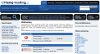 Přehled webhostingových, multihosting a VPS hosting programů s možností jejich pokročilého vyhledávání a porovnávání. Najděte si jednoduše vhodný hosting.