

18.11.2022 14:40 Countries: Syrian Arab Republic, Türkiye Source: UN High Commissioner for Refugees Please refer to the attached Infographic.
17.11.2022 20:40 Countries: Syrian Arab Republic, Türkiye, Ukraine, World Source: World Food Programme Please refer to the attached file. In Numbers 49,060 people assisted in October 2022 US$ 362,402 distributed through value vouchers US$ 158,409 distributed through vocational and on-the-job trainings US$ 3.4 m six-month net funding requirements Operational Updates WFP continued to implement the joint e-voucher programme with the Turkish Red Crescent in seven temporary accommodation centres as planned. In October, 44,840 refugees received monthly assistance of TRY 150 per person, including 2,296 Ukrainian refugees accommodated in a TAC in Elazig. The total amount of cash transferred during the reporting period amounted to US$ 362,402. Between July and September 2022, WFP and TRC had assisted around 1,453 refugees transferred to the TACs while awaiting registration with the same amount through prepaid cards. In October, the Socioeconomic Empowerment and Sustainability Programme continued to provide vocational and applied training to 560 participants in 14 provinces. The trainings offered throughout the month were diverse, including account assistant, barista, chef assistant, information technology, metal sheet processing and joining, machine maintenance and repair, shoe making, and printing, among others. The SES programme is implemented in partnership with the Ministry of National Education, The Turkish Employment Agency, local NGOs and several Chambers of Commerce and Industry. Designed in line with the employment market’s needs, the SES programme aims to build the capacities of refugees and host communities to reach long-term employment and become self-reliant. Under the SES programme, WFP held a series of meetings with many Chambers of Commerce and Industry partners to discuss the sector needs and expand livelihoods interventions accordingly. As 2022 nears its end, WFP started to review its existing field level agreements with these chambers based on their performance to plan for the livelihoods activities in 2023.
16.11.2022 10:21 Countries: Syrian Arab Republic, Türkiye Source: UN Development Programme Please refer to the attached files. Executive Summary This policy brief researched by the United Nations Development Programme calls on Turkish policy makers, the international aid community, donor governments and the private sector to establish a new “Türkiye Compact” that will harness trade preferences to stimulate job creation for refugees and host communities while supporting Türkiye in hosting the largest refugee population in the world. UNDP’s feasibility study shows that special trade agreements between Türkiye and potential donor governments offer a win-win solution that, by increasing exports of Turkish products in labour-intensive sectors, can contribute to the self-reliance of refugees and host communities while supporting development and inclusive economic growth in Türkiye along with the 2030 Sustainable Development Goals. Such an approach, in the selected scenario and identified sectors, could generate over 284,000 jobs while boosting Turkish exports by 3% and GDP by 0.42%. Many actors, including the UN agencies and civil society organizations working through the Regional Refugee and Resilience Plan in Response to the Syria Crisis and outside of the 3RP, are committed to supporting the livelihoods of refugees and host community members, but high unemployment and the prevalence of informal labour have left many vulnerable and created frictions. The need to generate new jobs in the formal economy is urgent. The Türkiye Compact is an innovative and complementary effort to provide one answer to this need, working through partnerships with privatesector employers and major trading countries to leverage trade preferences to expand formal job opportunities for refugees and host communities in line with national economic priorities. UNDP is committed to translating the idea of the Türkiye Compact into practice. Working with Government, private-sector and international community partners, UNDP can provide organizational, coordination, networking and advocacy support. The initiative draws on the experience of other countries; once tested in Türkiye, it holds the promise to offer replicable practices for prolonged displacement elsewhere in the world.
16.11.2022 02:30 Countries: Syrian Arab Republic, Türkiye Source: World Bank A recently completed World Bank pilot project, Development of Businesses and Entrepreneurship for Syrians under Temporary Protection and Turkish Citizens demonstrated that targeted, multi-faceted programs for entrepreneurs can help create jobs in small and medium enterprises. With the provision of diverse support mechanisms put in place for both communities, 16 Syrian entrepreneurs, of whom six were women, established new businesses in viable sectors. In addition, 50 SMEs surpassing the project target of supporting 34 SMEs received financial support. A number of 125 jobs were created in existing and newly established firms. Challenge In 2022, Türkiye hosts the world’s largest refugee population, with about 4 million refugees, of whom more than 3.7 million are Syrians under Temporary Protection . The arrival of Syrian refugees places a strain on social services, and increased competition for employment, housing and social services. But the Government of Türkiye has facilitated their access to critical public services such as education, health and infrastructure and granted displaced Syrians with access to services and to formal employment. However, the capacity of provinces like Gaziantep, the project’s pilot city with a high presence of SuTPs, to absorb the large influx of SuTPs is limited and they need support to access social services and employment. **Approach ** The World Bank supported the Turkish government’s response to the humanitarian and development challenges of the Syrian refugee crisis, with a focus on promoting economic self-reliance, increasing access to basic services, and piloting an intervention mechanism to support both refugees and host communities. The project sought to support the growth of small and medium enterprises and increase employment and entrepreneurship opportunities for Syrians under Temporary Protection and Turkish citizens in the pilot province of Gaziantep. The project established two windows with calls for proposals. Under the first window, the Turkish Small and Medium Enterprises Development Organization , a public institution responsible for increasing the share of SMEs and entrepreneurs in economic and social development, provided technical and financial support to facilitate the establishment of new firms led by Syrian refugees. These firms were designed as incubators, with a focus on market access, customer analysis, and business competitiveness. Under the second window, KOSGEB provided existing enterprises – both Turkish- and Syrian-led – with a mix of technological inputs, such as equipment and software, as well as KOSGEB expertise. This approach aimed to create new jobs for both Syrian refugees and Turkish citizens. The project supported enterprises in a wide range of sectors, from shoemaking and baklava production to medical equipment manufacturing and computer programming. The project leveraged KOSGEB’s existing support programs with tailored interventions to promote participation of SuTPs, such as translating KOSGEB’s training modules into Arabic and English for non-Turkish speakers, identifying the specific needs of vulnerable target groups, and developing a model for targeting and selecting beneficiaries. Results The preliminary program assessment of the pilot project indicates that the firms significantly benefited from financial support, in particular to enhance their technological capacities and hire technical staff to put the new equipment to use. All beneficiary firms have used funds in the purchase of the machinery, one third of them got additional software, and two-thirds hired inexperienced workers who were provided on-the-job training to overcome the key bottleneck in required manpower. The extended technical capacity gave the firms an incentive to expand production capacity with additional private investment. A beneficiary firm producing hospital equipment received equipment support from the project and it increased its workforce from 20-30 to 130. Another firm in the shoe-making industry increased total sales from TL 4 million to TL 5 million annually despite the hardship imposed by the pandemic. The firms also improved their institutional and market penetration capacities, both in foreign markets and domestically. About 75 percent of the successful firms hired professional departmental managers outside their families during project implementation. Greater market involvement, adaptation to local preferences, and more professionalism in developing their business strategy seem to be the major outcomes for firms. In addition to the firms’ increased capacity, the project has a longer-term impact with respect to economic inclusion of SuTPs and Turkish citizens in formal job market. The project is founded on KOSGEB’s existing entrepreneurship and project support programs and services -- which were adapted for the use of SuTPs. The one-to-one monitoring and advisory services provided by KOSGEB local personnel to the firms, helped rapid identification of business needs and priorities. Thanks to this close interaction, SuTP firms in particular, increased their experience in engaging in an official dialogue with a public agency – which strengthens the vulnerable communities’ trust to legal frameworks, increasing their confidence in applying for such grants in the future and generate formal jobs in the local economy. Efficient intervention of KOSGEB, a public agency whose institutional mandate is to deliver such programs, ensured sustainability and scalability of this pilot project, contributing to promotion of formal jobs and entrepreneurship for vulnerable communities. The following results were achieved between 2019 and 2021: 60 SuTP candidates successfully completed entrepreneurship training, 26 entrepreneurs were identified for further support out of which 16 of the entrepreneurs, of whom six were women, received the 'start-up business support’ to establish their businesses. 50 existing Turkish- and Syrian-led enterprises were provided with equipment, software, and expertise, surpassing the project target of 34. 125 new jobs were created for SuTP and Turkish citizens. KOSGEB’s capacity for designing, delivering and monitoring of entrepreneurship services was strengthened through the trainings with a focus on project management and working in refugee context. KOSGEB’s entrepreneurship trainings in Turkish were produced for Arabic-speaking communities in this project and made available for SuTPs Beneficiary Stories Aidah Alwani, a Syrian beneficiary of the project, provides 3D design services in the textile sector and develops e-commerce websites and mobile applications for companies. She had worked as a freelancer until she established her business with support from the project, which provided software and equipment for her firm. “I studied Arabic Literature in Syria, but technology, especially computer programming, was my passion. At first, we continued to work even though we faced some difficulties, as in any newly established business. Now, two years after the project started, we make our living from our own business and the future is promising for us.” Baris Ozbicki, owner of a medical manufacturing firm, received a digital robot production line which enables his firm to produce medical products more quickly and with better quality. His team, in turn, provided technical support to improve the skills of the Syrian employees working in the firm. As a result, the firm’s production capacity has increased by 40 percent. Technical support from the Small and Medium Enterprises Development Organization , the implementing agency for the project, helped “develop the capacities of our employees, in line with industry standards,” said Baris. “We took our business to a global level within two years. We now have confidence in ourselves to compete with other firms abroad.” World Bank Group Contribution The World Bank administered the $2 million European Union Facility for Refugees in Türkiye grant and provided implementation and technical support to the implementing agency, KOSGEB. Partners The project was financed with a €1.84 million grant from the European Union Facility for Refugees in Türkiye and implemented by KOSGEB. KOSGEB worked closely with local stakeholders including municipalities, business associations , academia , and NGOs . Looking Ahead Through the completion of this pilot project, KOSGEB demonstrated its capacity for implementation, and was selected as the implementation agency of a larger entrepreneurship project approved under the second tranche of FRiT.
14.11.2022 23:51 Country: Türkiye Source: UN Secretary-General SG/SM/21582 The following statement was issued today by the Spokesman for UN Secretary-General António Guterres: The Secretary-General strongly condemns the deadly bombing in Istanbul yesterday. He extends his heartfelt condolences to the victims and their families, as well as the Government and people of the Republic of Türkiye. The Secretary-General wishes a speedy and full recovery to those who were injured. For information media. Not an official record.
10.11.2022 01:00 Countries: Afghanistan, Austria, Belgium, Bulgaria, Croatia, Democratic Republic of the Congo, Denmark, Egypt, Eritrea, Finland, France, Germany, Greece, Haiti, Iran , Iraq, Italy, Latvia, Lithuania, Luxembourg, Malta, Netherlands, occupied Palestinian territory, Portugal, Romania, Slovenia, Somalia, Sweden, Syrian Arab Republic, Türkiye, Yemen Source: International Organization for Migration Please refer to the attached file. Overview of Migrant Situation in Türkiye According to the latest available figures from the Turkish Presidency of Migration Management , there are more than 4.9* million foreign nationals present in Turkish territory, 3.6* million of whom are seeking international protection. Most of those seeking international protection are Syrians who are granted the temporary protection status in Türkiye. In addition, international protection applicants are most frequently nationals of Afghanistan, the Islamic Republic of Iran and Iraq constitute another group of foreign nationals. According to PMM, there were 29,256* international protection applicants present in Türkiye in 20211, published annually. Moreover, according to UNHCR**, there are close to 330,000 international protection status holders and asylum-seekers. In addition, there are 1,336,601* foreign nationals under residence permit holder status; this number includes humanitarian residence holders. *Data Source PMM, 03.11.2022 **Data source UNHCR, July 2022
10.11.2022 01:00 Countries: Afghanistan, Austria, Belgium, Bulgaria, Croatia, Democratic Republic of the Congo, Denmark, Egypt, Eritrea, Estonia, Finland, France, Germany, Greece, Iran , Iraq, Italy, Latvia, Liberia, Lithuania, Luxembourg, Malta, Netherlands, occupied Palestinian territory, Portugal, Romania, Slovenia, Somalia, Spain, Sweden, Syrian Arab Republic, Türkiye, Yemen Source: International Organization for Migration Please refer to the attached file. According to the latest available figures from the Turkish Presidency of Migration Management , there are more than 4.9* million foreign nationals present in Turkish territory, 3.6* million of whom are seeking international protection. Most are Syrians who are granted temporary protection status. In addition, international protection applicants from countries including Afghanistan, the Islamic Republic of Iran and Iraq constitute another group of foreign nationals. According to PMM, there were 29,256* international protection applicants present in Türkiye in 20211, published annually. Moreover, according to UNHCR**, there are close to 330,000 international protection status holders and asylum-seekers. The number of foreign nationals has decreased by 124,560 in comparison to October 2021 . In addition, there are 1,336,601* foreign nationals present in Türkiye holding residency permits, including humanitarian residency holders. Compared to October 2021, this is an increase of 94,757 individuals. The exact number of humanitarian residency holders is unknown, but it is estimated that there are more than several thousand humanitarian residency permit holders. *Data source PMM, 03.11.2022 **Data source UNHCR, July 2022
09.11.2022 15:50 Countries: Syrian Arab Republic, Türkiye Source: UN High Commissioner for Refugees Please refer to the attached Map.
09.11.2022 15:50 Countries: Syrian Arab Republic, Türkiye Source: UN High Commissioner for Refugees Please refer to the attached Map.
08.11.2022 14:00 Countries: Syrian Arab Republic, Türkiye Source: Turkish Red Crescent Society Please refer to the attached files. MAIN ISSUES The number of Syrians under temporary protection who took refuge in Turkey due to the civil war that started in Syria in 2011 and started a new life with a new status here has reached 3,635,410 people. According to the December 2020 data of the General Directorate of Migration Management, 472,982 of these people reside in the Çukurova Region, which includes the provinces of Adana and Mersin, where agricultural production is common.1 Seasonal agricultural work gained a new dimension with the arrival of Syrians, who were employed at lower wages than the local people, in the Çukurova Region, where previously workers from the Eastern and Southeastern Anatolia regions of the country were employed in seasonal agricultural production. Therefore, identifying the needs, problems and expectations specific to Syrians under temporary protection who come from a different social and cultural background has gained importance in terms of contributing to making it possible to live in dignity, to ensure regional development and social adaptation. This study was designed starting from this context and aimed to determine the current situation in the field and the difficulties encountered, and to establish a fulcrum for the solution of the problems. The main problems identified and descriptions of the field are summarized below: General Conditions When asked to meet with the shelter shelter tent residents, the majority used expressions such as “There were many people like you who came here before, but nothing has changed”. This can be considered as an indicator of boredom about the research carried out. The use of translators, visiting the shelter tents during the day while the men are at work , easier access to the participants thanks to the recognition of the Red Crescent, and the participant’s trust in the researcher were very effective in the course of the research. People living in the shelter tent area lead a closed life with minimal interaction with their environment. The only points of contact are shopping and mukhtars. Majority of the participants procure their basic foodstuffs and clothing from peddlers who come through hodge heads . The hodge head can be thought of as their representatives opening up to the outside world. On certain days of the month, they create certain stocks that will last for a while by shopping at the fruit-vegetable market in district or provincial centers. In one of the villages, the interaction between the participants and the mukhtar is positive. It has been learned that the mukhtars fulfill their duties in the access of the participants to services such as electricity and water or in the delivery of aid sent to the villages. In the other village, it was stated that there were occasional conflicts between the mukhtar and seasonal agricultural workers. Fixed fees, which vary according to the shelter tent areas, are paid to the hodge heads, regardless of who uses basic infrastructure services such as electricity and water. Since they do not receive their daily wages regularly, they generally do their shopping on credit method to meet all their needs. It has been learned that in some villages, they do their shopping with the receipts given by the hodge heads, and on the day of the daily wages, the cost of the receipts they use is deducted from their daily wages. They continue their lives in interaction with the city, albeit limited. Participants who spend their time in the shelter tent area or in the field in their daily lives only go to the city for reasons such as shopping and going to the hospital. This limited interaction with the city also differs on the basis of gender. Women leave shelter tent areas much less frequently than men. The group they interact with the most on a weekly basis is peddlers. The peddlers enable them to find many of their needs nearby. In very few of the shelter tents, household items such as white goods or armchairs and sofas were found, and it was observed that these items were generally old and worn out. Shelter tents, which usually contain mattresses and pillows, are also affected by seasonal changes, making the lives of individuals even more difficult. A male participant, who was a classroom teacher when he was in Syria, poured concrete on the ground so that his shelter tent would not be affected by rainwater), and the irregular appearance of the shelter tents built on the ground turns into an unhealthy state when the presence of many insects such as flies and insects is taken into account. It was learned that the participant, who was a classroom teacher in Syria, had a serious struggle for the education of children, but this struggle was not supported as much as it was in the first time by other shelter tent residents who prioritized earning money due to difficult living conditions. In addition, it was seen that this person led the seasonal agricultural workers in this region in the relationship with the mukhtar or in the solution of any problem. The workers find the wages they receive very little according to the work they do, and besides this, the daily wages are given as pocket money in pieces or collectively every 6-7 months. This causes people to meet their needs by borrowing. Seasonal agricultural workers live in shelter tents as nuclear families. It has been seen that many of their extended families stay in Syria and that they live here with their spouses and children. Almost all workers declared that they also work in agriculture in Syria, but they stay in houses, not in shelter tents. The biggest challenge facing the majority is their poor quality of life, due to the lack of money they earn. It has been stated that it is very difficult to issue a new identity card when identity card is lost and cannot benefit from services such as health due to lack of identity card. It has been observed that the clothes of the workers are quite inadequate and not suitable for seasonal conditions. It has been observed that young children are deprived of stimuli that will positively affect their physical and psychological development in these unhealthy living spaces, and some of the children go to the fields and some of them undertake housework.
07.11.2022 20:50 Countries: Egypt, Iraq, Jordan, Lebanon, Syrian Arab Republic, Türkiye Source: International Organization for Migration Please refer to the attached files. IOM VISION Since 2011, IOM has provided life-saving assistance, early recovery, and resilience programs for Syrians across the region who have been affected by the crisis in Syria, as well as for the communities and countries which host them. In 2022, IOM will continue to implement activities in Turkey, Jordan, Lebanon, Iraq and Egypt as part of the Regional Refugee and Resilience Plan . IOM's interventions will be multi-sectoral in nature, responding to the needs and priorities of affected populations and leveraging IOM's operational presence, technical expertise and strong relationships with national and local authorities.
07.11.2022 13:00 Countries: Syrian Arab Republic, Türkiye Source: UN High Commissioner for Refugees Please refer to the attached Infographic.
Srdcetvor.cz - handmade
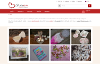 Nákupní galerie rukodělných výrobků, služeb a materiálů. Můžete si zde otevřít svůj obchod a začít prodávat nebo jen nakupovat.
Lavivasex.cz - erotické pomůcky
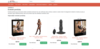 Přehled erotických pomůcek od elegantních vibrátorů, hraček pro páry až po stimulační oleje, afrodiziaka a BDSM pomůcky.
Hledej-hosting.cz - webhosting, VPS hosting
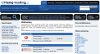 Přehled webhostingových, multihosting a VPS hosting programů s možností jejich pokročilého vyhledávání a porovnávání. Najděte si jednoduše vhodný hosting.